Troubleshooting Persistent Mustard Algae: The Phosphate Connection
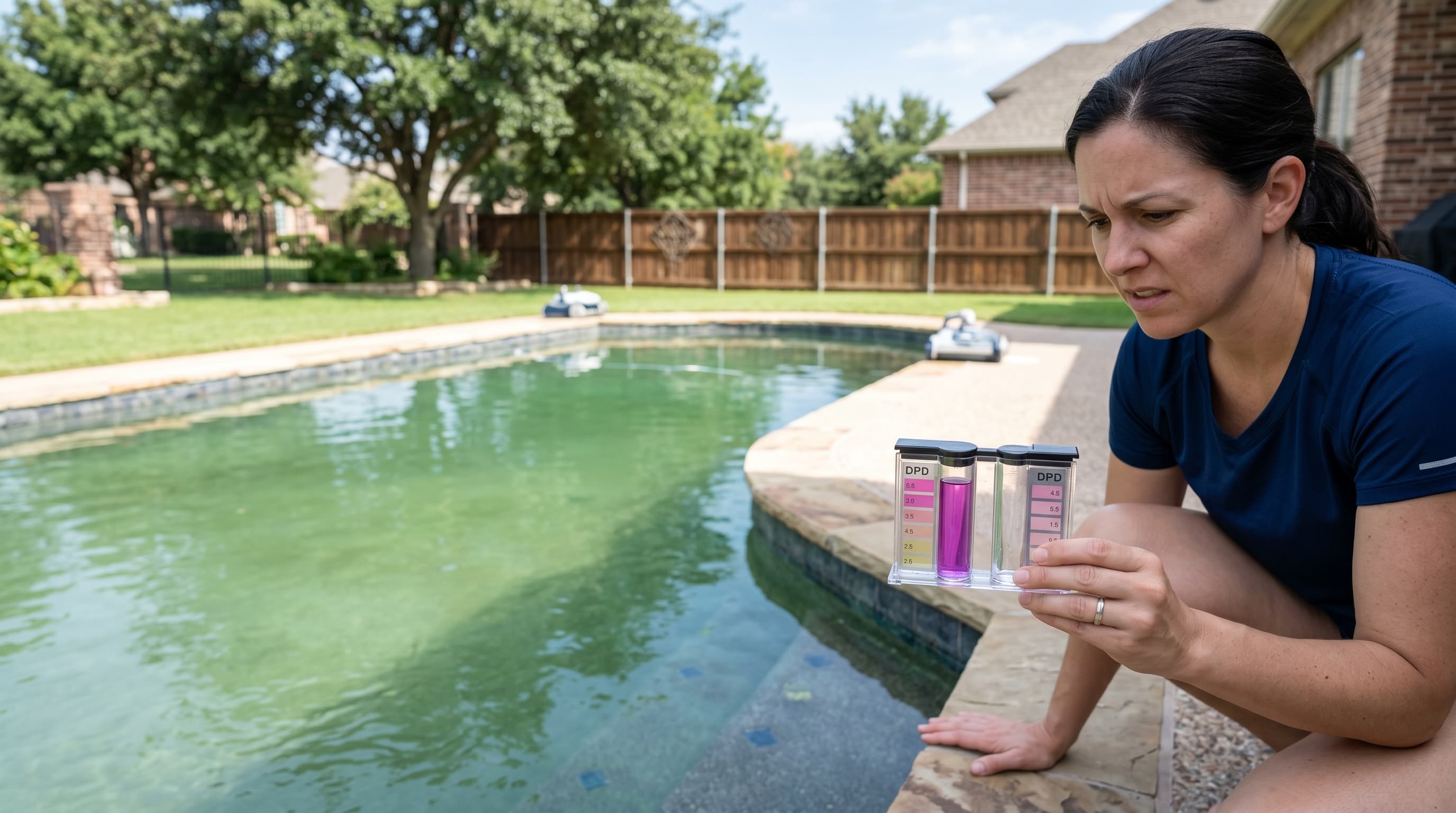
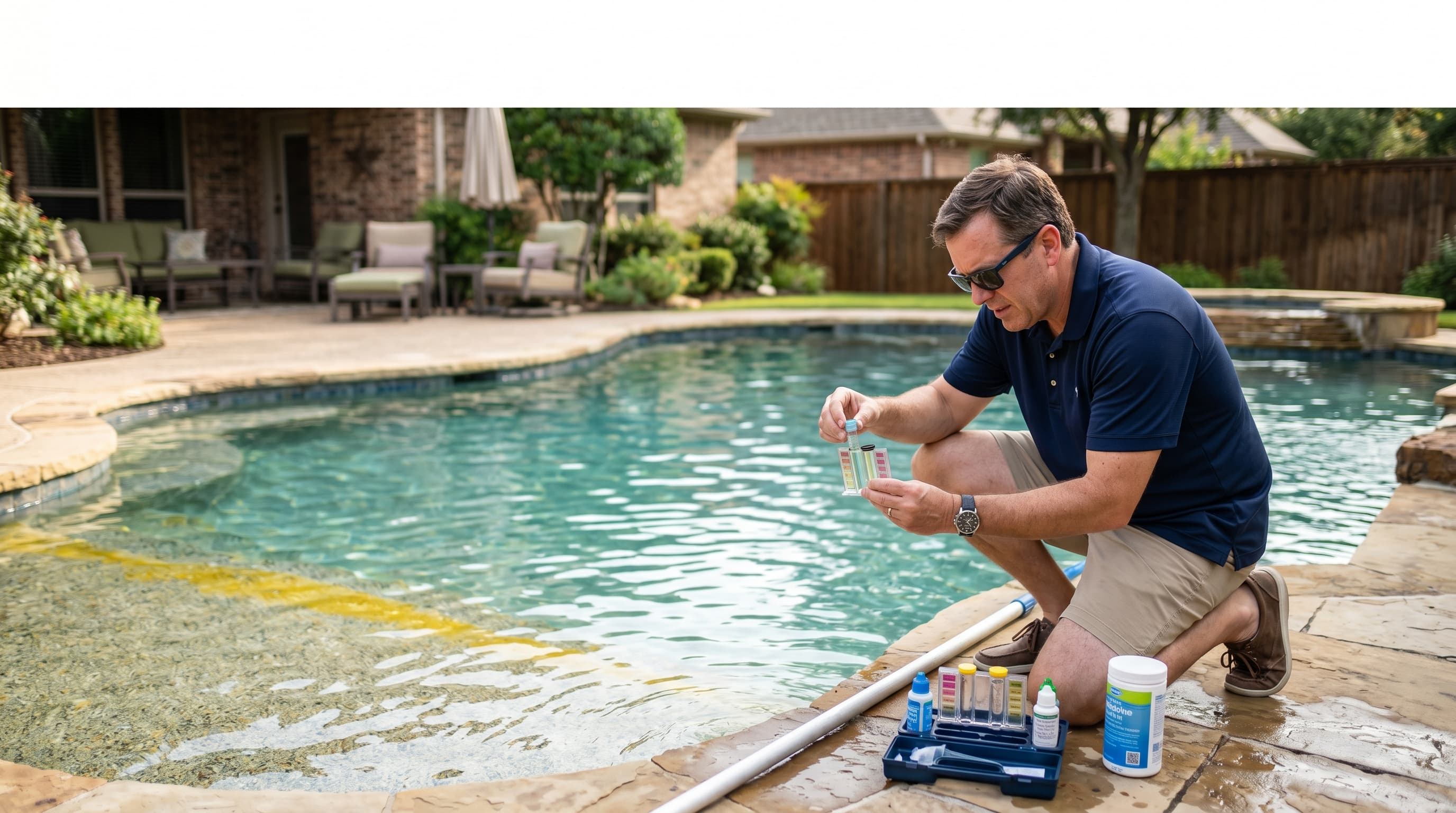
It is a familiar, frustrating scene for many DFW homeowners: you spend your Saturday morning testing the water, adjusting the pH, and ensuring your chlorine levels are exactly where the books say they should be. The water looks clear, yet there it is again—a fine, yellowish-brown dust clinging to the shaded steps or the north wall of the deep end. You brush it away, and for an hour, the pool looks pristine. But by Sunday afternoon, the "sand" has returned to the exact same spot.
When a pool appears chemically balanced but remains plagued by this yellow grit, you aren't dealing with a simple filtration issue. You are likely facing mustard algae, a resilient strain that has learned to thrive in the gaps of traditional maintenance routines. At Simplified Pools, we’ve found that the secret to breaking this cycle isn't just more chlorine; it’s understanding the "phosphate threshold"—the point where high nutrient levels allow algae to outpace even the most diligent sanitation efforts.
Section 1: The Anatomy of the 'Unstoppable' Algae Bloom
Mustard algae is frequently misidentified as sand, pollen, or organic silt. However, unlike heavy debris that settles at the bottom of the floor, mustard algae is a form of green algae (Chlorophyta) that has developed accessory pigments. These yellow and gold pigments do more than just change its color; they act as a physical shield, helping the colony resist oxidation from standard chlorine levels.
In our experience, the easiest way to identify this strain is by its behavior. It has a powdery, flour-like texture and a distinct preference for shade. This is why it typically appears on the north walls or shaded steps of DFW pools first. While common green algae will float or turn the entire body of water cloudy, mustard algae is a "clinger." It anchors itself to your plaster or pebble finish, creating a protective biofilm.
“If it brushes off easily like dust but returns in the exact same spot within 24 hours, you aren't looking at sand; you're looking at a mustard algae colony.”
Standard chlorine residuals of 2-4 parts per million (ppm) are often insufficient for this specific strain. Furthermore, the spores are incredibly small—often small enough to pass through standard 20-30 micron sand filters—allowing the algae to circulate through your plumbing and reinfect the pool even after a water-testing session suggests everything is fine.
Section 2: Understanding the Phosphate Threshold
If chlorine is the "fire" that kills algae, phosphates are the high-octane fuel. Phosphates are the primary limiting nutrient in aquatic ecosystems. In a pool environment, once phosphate levels cross a certain limit, algae growth can become exponential, outstripping the rate at which chlorine can kill it.
In the North Texas region, specifically around areas like Northlake and Argyle, environmental factors frequently spike phosphate levels. Common sources include:
- Lawn Fertilizers: Orthophosphates from nearby landscaping runoff.
- Construction Dust: New developments in DFW kick up soil rich in organic minerals.
- Rainwater: Heavy seasonal storms wash environmental contaminants directly into the water.
It is important to note that phosphates do not directly consume chlorine. Instead, they allow algae to grow so rapidly that the resulting biomass exhausts your sanitizer. This creates a "chlorine demand" where you find yourself adding pool-chemicals daily just to keep a reading. To get rid of mustard algae, you must lower the ceiling on its food supply.
Professional-Grade Algae Solutions
View all →

Section 3: The Remediation Protocol: Breaking the Cycle
Eradicating mustard algae requires a "Kill Dose" strategy. Because of its resistance to oxidation, you cannot simply "shock" the pool with a single bag of powder and expect results. You must raise your Free Chlorine (FC) to a specific level based on your Cyanuric Acid (CYA) concentration.
For mustard algae, the industry standard is to reach a shock level that is 60% of your CYA level. For example, if your CYA is at 50 ppm, you need to maintain an FC of 30 ppm for a sustained window. This is where high-potency products like TurboShock™ Shock Treatment 5lb become essential. With 78% calcium hypochlorite, it reliably handles the heavy lifting required to break the algae's biofilm.
The Step-by-Step Process:
- Brush Everything: Manual brushing is non-negotiable. You must physically break the protective layer so the chemicals can reach the algae cells.
- Apply Algaecide: Use a non-foaming polyquat like Algaecide 60 1 qt Bottle. It is a proven choice for DFW’s hard water because it doesn't add copper, which can lead to staining when pH fluctuates.
- Maintain Shock Levels: Keep the pool at the 60% CYA threshold for 24 to 48 hours.
- Sterilize Equipment: This is the most overlooked step. Mustard algae spores can survive on brushes, vacuum hoses, and even bathing suits. Soak your cleaning equipment in the high-chlorine water during treatment.
“Shocking a pool without addressing the phosphate fuel source is like trying to put out a fire while someone is still pouring gasoline on the embers.”
Section 4: Mechanical Support: Filtration and Robotic Cleaning
While chemicals kill the algae, your filtration system must remove the remains. Mustard algae spores are notorious for colonizing the internal folds of a cartridge filter. If you've had three or more major blooms, a simple rinse isn't enough; the 115 SqFt Filter Cartridge 4 Pack should be chemically cleaned or replaced to prevent immediate re-blooms.
For those with DE filters, ensuring your grids are intact is paramount. The 60 SqFt Full Universal DE Grid Set 11" x 30" provides the fine-tuned filtration necessary to trap microscopic spores that sand filters might miss.
To assist the filter, we often recommend AI-driven robotic cleaners. The Beatbot P300 Ultra 5 in 1 Cordless AI Robotic Pool Cleaner is what pool techs reach for when they need water clarification support alongside floor hygiene. By constantly scrubbing the floor and walls, these robots prevent the algae from establishing the stationary colonies it needs to survive.
Essential Filtration & Cleaning Tools
View all →


Section 5: Long-Term Prevention and the 90-Day Strategy
Once the pool is clear, the goal shifts to proactive maintenance. You want to create an environment where the chemistry works for you, not against you. This starts with a consistent phosphate-low environment and a secondary layer of defense.
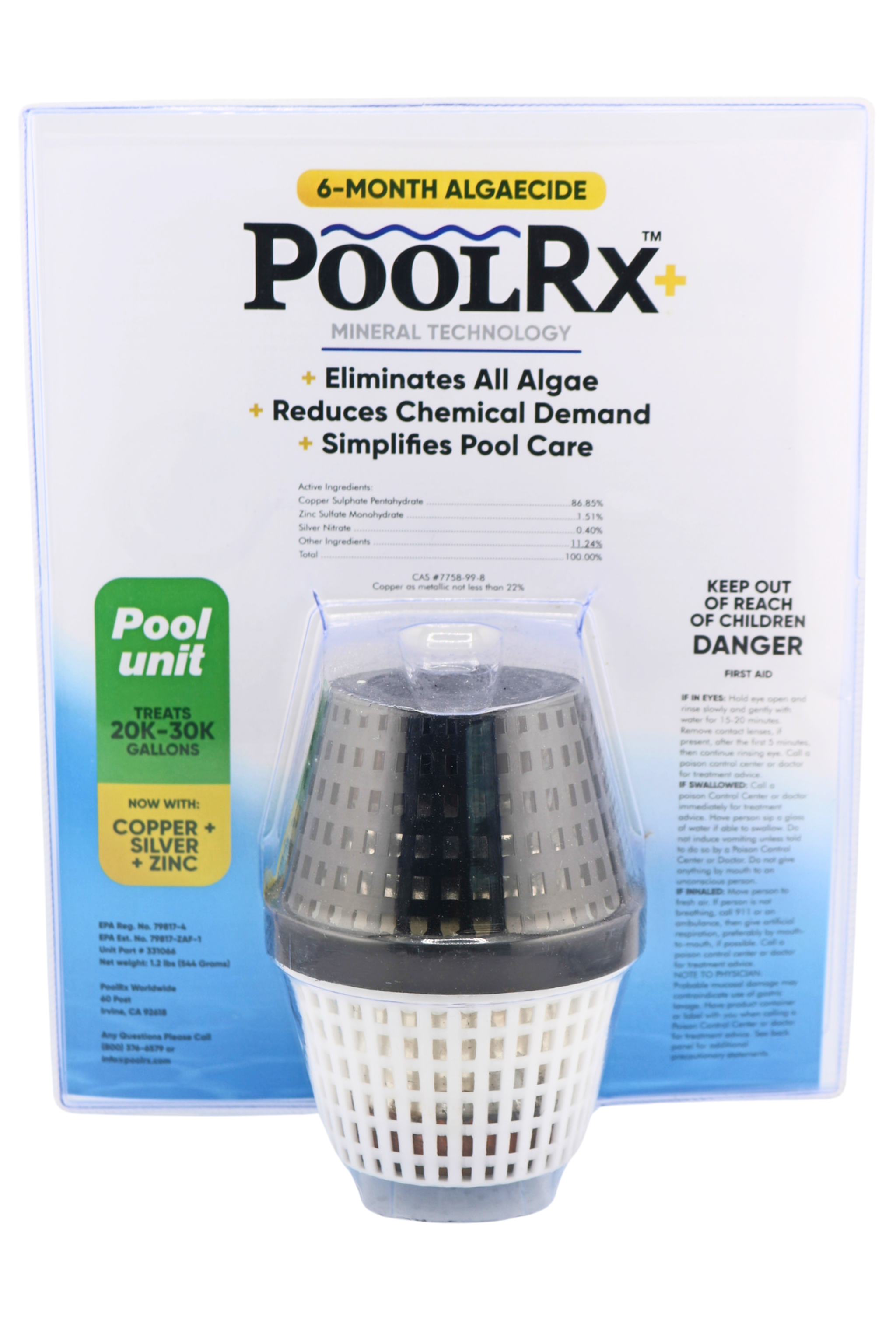
A long-life algaecide, such as the 90-Day Algaecide 1 qt Bottle, provides a copper-based residual that prevents spore germination even if your chlorine levels dip during a hot Texas weekend. For daily sanitation, 25 lb 3" Xtreme Wrapped Tabs Pail offer a controlled release of sanitizer that helps maintain that vital 1-4 ppm residual.
We recommend DFW homeowners test for phosphates at least twice per season: once in early spring to prep for the heat, and once in mid-summer when bather load and evaporation are at their peak. For a more "set and forget" approach, systems like the NATURE2 FUSION INGROUND combine mineral technology with chlorine to naturally destroy bacteria and algae, reducing your reliance on heavy chemical dosing.
Section 6: When to Call the Professionals
Sometimes, despite your best efforts, the infestation is too deep-seated. If algae is living inside your light niches, behind the skimmer weir, or deep within the plumbing lines, a standard DIY treatment may fail.
Our professional Green-to-Clean service is designed for these total system resets. We utilize high-dose flocculants and commercial-grade vacuuming to remove contaminants that residential systems struggle to process. Furthermore, Simplified Pools offers onsite water analysis that measures orthophosphates with much higher precision than standard home test strips. If you are tired of the "brush and repeat" cycle, it may be time to book a professional consultation to identify the specific mechanical or chemical bottleneck in your system.
Stop the Algae Cycle Today
Mustard algae is a test of patience, but it is not invincible. By addressing the phosphate fuel source, maintaining high shock levels, and ensuring your filtration is up to the task, you can reclaim your backyard oasis.
If you've battled mustard algae for more than a week without success, it's time for a professional intervention. Book a water analysis or a Green-to-Clean consultation with our Northlake team today.