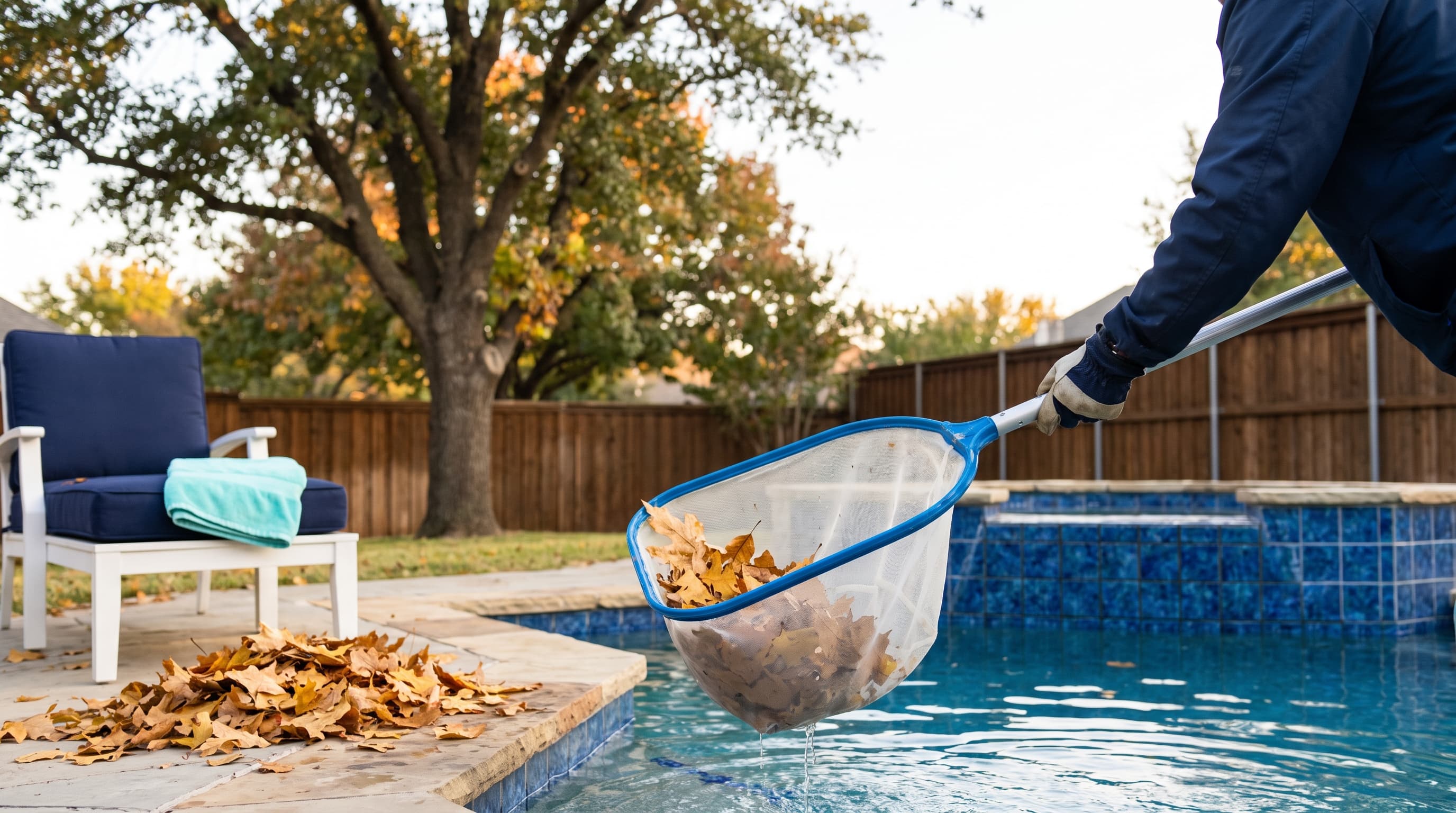
Every autumn follows a familiar cadence. The mornings cool down, pool use slows, and then the first windy afternoon dumps pounds of foliage across the water. For pool owners, heavy leaf drop is not just an aesthetic annoyance; it is an immediate mechanical challenge for circulation equipment and an ongoing drain on water balance.
Preparing your pool for fall foliage before the trees shed their canopy saves hours of netting and protects your pump from running dry. Standalone robotic cleaners take the brunt of that seasonal workload, provided you understand how they manage heavy debris and how to set them up for the job.
What Happens When Leaves Settle on the Pool Bottom
When a leaf hits the water, it floats for a brief period before becoming waterlogged and sinking to the plaster or liner. Once submerged, two distinct problems begin.
First, organic decomposition starts immediately. As plant matter breaks down, it releases tannins, which can leach into porous plaster or leave dark brown organic outlines on vinyl surfaces. At the same time, this organic matter introduces an active biological load. Your sanitizer works to oxidize that material, meaning available chlorine is consumed far faster than normal. Allowing sanitizer levels to slip below the 1 to 3 ppm baseline while leaves carpet the bottom gives algae an opportunity to establish a foothold even in cooler water.
Second, submerged leaves settle into dead zones—areas around steps, deep-end corners, and edges where pool circulation jets cannot dislodge them. Left unattended, thick accumulations compact into mats that are difficult for basic suction sweeps to pull without jamming.
Why Traditional Cleaners Struggle With Heavy Debris
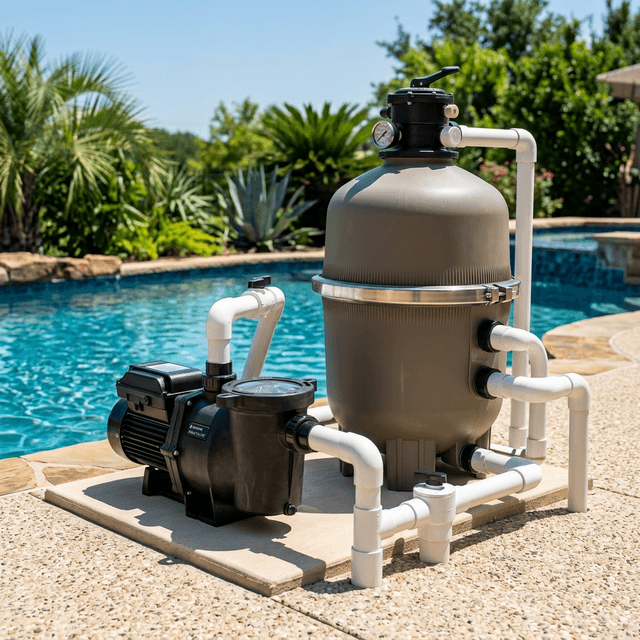
Suction-side cleaners plug into the skimmer or a dedicated vacuum port on the pool wall. When they ingest leaves, that debris travels straight through your underground pipes and lands in the pump strainer basket. During peak leaf fall, an oak or maple drop can fill that basket within two hours. Once the basket packs tightly, water flow drops sharply. The pump can cavitate, run hot, and lose prime, putting undue mechanical stress on shaft seals and impellers.
Pressure-side cleaners avoid the pump basket by using a dedicated booster pump and collecting debris in a mesh bag attached to the unit. While effective, they depend on specialized plumbing lines, run secondary motors that draw extra power, and rely on sweeping tails that can kick finer silt into suspension rather than capturing it.
Robotic cleaners operate entirely independently of the pool pad. They run on low-voltage direct current through their own power supply, use internal electric motors to drive tracks and an onboard impeller, and store all gathered leaves in self-contained filter canisters. Zero leaf debris enters your skimmer, underground pipes, or pump basket through the robot.
Can a Robotic Pool Cleaner Handle Large Fall Leaves?
This is one of the most common questions pool owners ask as autumn approaches, and the practical answer comes down to intake clearance and canister design.
Modern robotic cleaners are engineered with wide underside intake throats designed specifically to sweep up broad oak, maple, and sweetgum leaves without wedging in the opening. However, managing leaf season successfully requires matching the filter media to the type of debris dropping into your pool:
- Large-mesh baskets or coarse filter panels: These allow maximum water flow while trapping large leaves, acorns, and small twigs. During peak fall, you want these installed. They fill completely without choking the cleaner motor.
- Ultra-fine or pleated cartridge panels: These are built for fine silt, dead algae, and spring pollen. If you run ultra-fine filters during heavy leaf drops, microscopic organic dust will coat the pleats within thirty minutes, restricting water discharge from the top of the robot before the basket is even half full of leaves.
If your machine came with both options, swap to the standard or coarse baskets as soon as trees begin dropping their leaves. Save the ultra-fine pleated cartridges for late spring and midsummer.
Setting Up Your Fall Maintenance Routine
A robotic cleaner reduces manual skimming significantly, but heavy autumn debris requires a few deliberate adjustments to your routine:
- Empty the canister while wet: Pull the cleaner from the water at the end of its cycle and clean the basket right away. Debris that dries inside an onboard basket hardens against the plastic mesh, making it difficult to hose out without stretching the filter material.
- Run shorter, frequent cycles: Rather than leaving the robot submerged for days on a weekly timer, run single cycles on demand. In peak season, run a cycle in the morning after overnight winds, empty the basket, and run another in the late afternoon if the drop is severe.
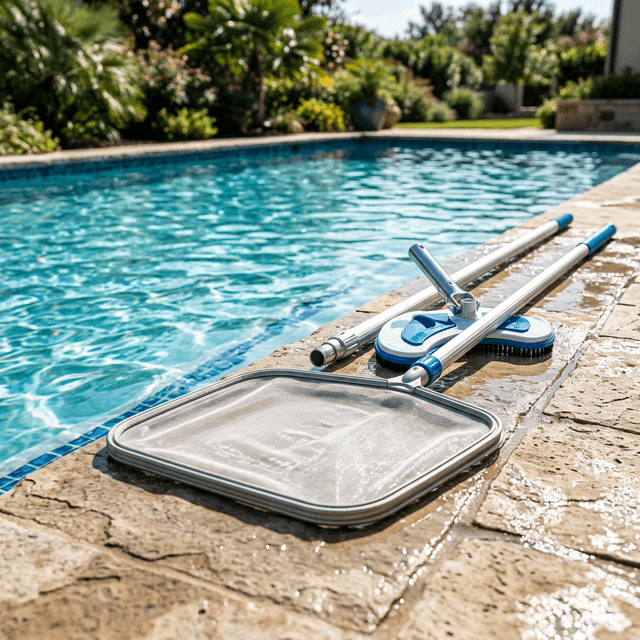
- Clear the waterline surface first: Use a standard deep-pocket skimmer net to gather floating rafts of leaves before running the cleaner. Floating leaves eventually become sunken leaves; taking two minutes to clear the surface keeps the robot basket free to pick up the heavier debris already resting on the bottom.
- Monitor water temperature limits: Most robotic cleaners rely on internal water-cooled motors and flexible tracks or drive belts made from specialized rubber compounds. When pool water temperatures drop below 50°F (10°C), those tracks stiffen, reducing traction on the walls, and the motor seals become less compliant. Once the water drops below that mark, pull the robot, clean it thoroughly, and store it indoors for the winter.
Situations That Call for Diagnostic Help
While a robotic cleaner manages floor and wall debris independently, certain autumn issues require professional diagnosis:
- Underground suction blockages: If someone ran a manual vacuum or suction sweep without an inline leaf canister and the pump basket remains empty while the motor strains, a leaf plug may be jammed deep in the underground plumbing line.
- Deep organic staining: If heavy mats of leaves sat on white plaster or light vinyl over an extended cold snap, standard brushing and chlorination may not lift the resulting tannin discoloration without specialized sequestering or topical stain treatments.
- Main drain flow restrictions: Heavy piles of leaves in the deep end can pack down over the main drain grates, altering circulation dynamics and causing pump cavitation.
If you encounter plumbing air leaks or stubborn surface stains that brushing cannot resolve, having an experienced technician inspect the system ensures small issues do not turn into equipment repairs come spring.
Getting Ahead of the Season
Preparing your gear before the first hard freeze or major windstorm keeps leaf season manageable and protects your pool circulation equipment from unexpected downtime.
Browse our curated collection of robotic pool cleaners available to ship nationwide directly to your door.
Have questions about sizing a cleaner or balancing your autumn water? Call us at 469-455-1054 or email jlynch@simplifiedpools.com.
What we'd use for this
Stocked at our Northlake store — free pickup today, or same-day DFW delivery.