7 Pool Winterization Mistakes That Cause Expensive Damage in Texas
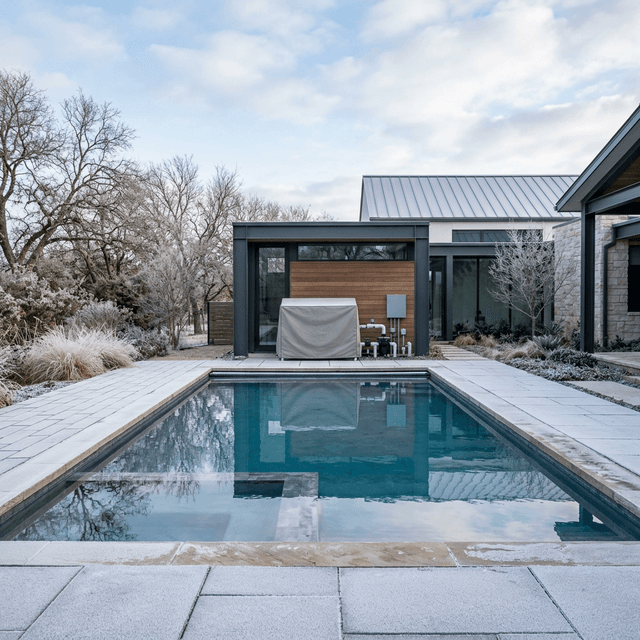
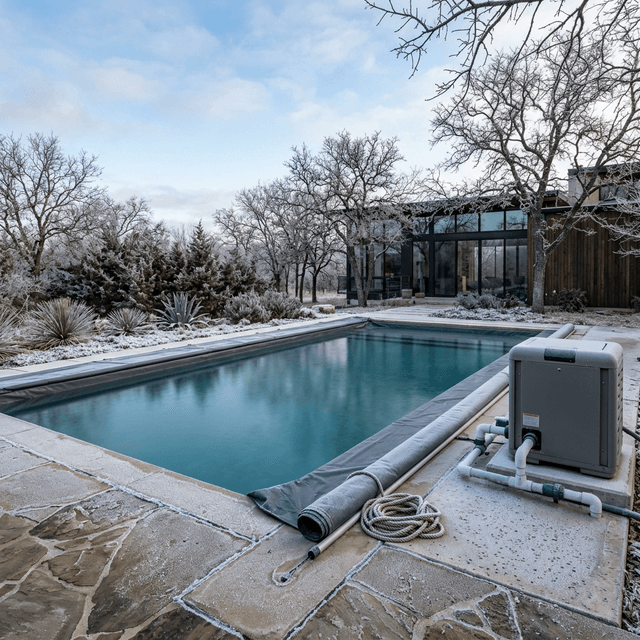
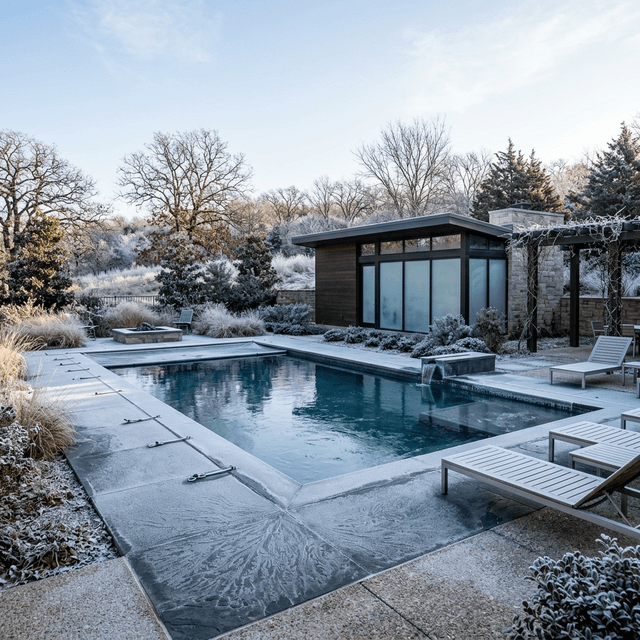
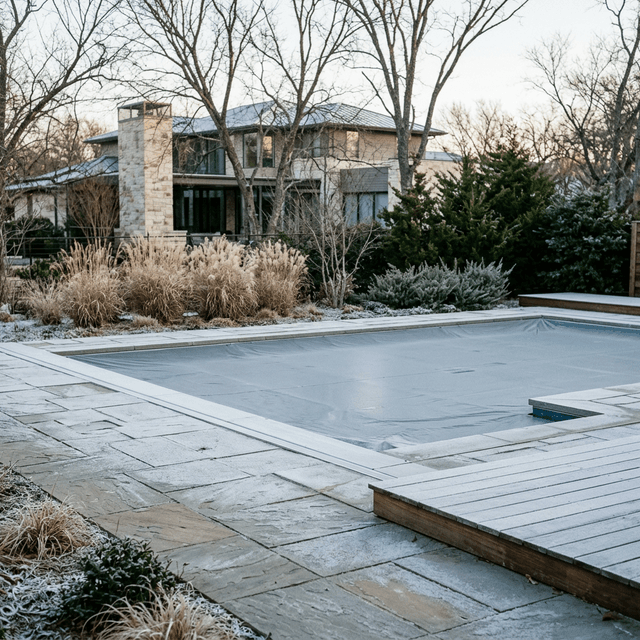
Texas winters are unpredictable. One week it is 70 degrees, and the next an Arctic blast drops temperatures into the teens. This volatility is exactly why Texas pool winterization requires a different approach than northern states — and why so many DFW pool owners make costly mistakes every year. We see thousands of dollars in preventable freeze damage, cracked equipment, algae takeovers, and corroded surfaces every winter season.
Here are the 7 most common pool winterization mistakes we encounter in the DFW area, what damage they cause, and exactly how to avoid each one.
Mistake 1: Not Running the Pump During Freeze Events
This is the single most expensive winter mistake we see in DFW. Every year after a hard freeze, our phones ring constantly with calls about cracked pump housings, split PVC pipes, broken filter tanks, and damaged heaters — all because the pump was not running when temperatures dropped below freezing.
Why this is so destructive
Water expands approximately 9% when it freezes. When water inside your pump, filter, heater, salt cell, or plumbing freezes and expands, it cracks or splits the containing vessel. The damage is often not visible until you turn the system back on and water starts spraying everywhere.
Common damage from frozen equipment:
| Component | Typical Repair Cost | What Happens |
|---|---|---|
| Pump housing (cracked volute) | $300-$800+ | Water sprays from crack when pump runs |
| PVC plumbing (split pipes) | $200-$600 per break | Leaks underground or at equipment pad |
| Filter tank (cracked) | $500-$1,500+ | Tank cannot hold pressure |
| Heat exchanger (cracked) | $800-$2,500+ | Water leaks into gas chamber or from housing |
| Salt cell (cracked) | $400-$1,200 | Cell cannot generate chlorine, leaks |
| Check valves | $100-$300 each | Valve body cracks, water leaks |
How to avoid it
Set up freeze protection properly:
- Freeze guard/freeze protection — most modern pool automation systems (Pentair, Hayward, Jandy) have built-in freeze protection that automatically turns on the pump when the air temperature sensor detects temps at or below a set threshold (typically 36-38 degrees F)
- Verify your freeze protection is working before the first cold snap — run a test by setting the threshold above current temps and confirming the pump activates
- If you do not have automation, use an inexpensive freeze guard relay ($50-$150) that wires to your pump and activates it when temps drop
- As a backup, manually turn on the pump when freeze warnings are issued and leave it running until temps are above 40 degrees
- Drip outdoor faucets and open any hose bibs that feed pool fill lines
During extended freezes (multiple days below freezing):
- Keep the pump running continuously — do not try to cycle it on and off
- If you lose power, open all drain plugs on the pump, filter, heater, and chlorinator immediately to let water drain out
- Keep a battery-powered radio or phone notifications set up for power outage alerts
For a detailed freeze event action plan, read our guide: What to Do After a Freeze.
Mistake 2: Draining the Pool Completely
Every winter, some pool owners decide to drain their pool entirely, thinking it eliminates the risk of freeze damage and saves on chemicals. This is one of the most dangerous things you can do to your pool.
Why this causes damage
Structural damage from hydrostatic pressure: Gunite, plaster, and fiberglass pools are designed to have water in them. The water weight counterbalances the hydrostatic pressure from groundwater pushing up against the pool shell from below. When you drain the pool:
- Plaster/gunite pools can pop out of the ground (hydrostatic lift), crack, or have the plaster delaminate
- Fiberglass pools can buckle, crack, or float out of the ground
- Vinyl liner pools can shrink, wrinkle, or tear when the liner dries out
DFW-specific risk: North Texas has expansive clay soil that holds significant moisture. After rain events, the groundwater pressure against an empty pool shell can be enormous. We have seen pools literally lift out of the ground after heavy rain followed by a drain.
Surface damage:
- Plaster that dries out can crack, craze, and deteriorate
- Exposure to freezing temperatures without water protection accelerates surface damage
- Tile grout and coping can crack when exposed to freeze/thaw cycles without water cushioning
How to avoid it
- Never fully drain your pool without professional guidance
- Maintain the water level at the middle of the skimmer opening (normal operating level)
- If you need to drain for repairs, do it during mild weather and refill as quickly as possible
- If you must lower the water level for winter, drop it only 4-6 inches below the skimmer — never below the returns
For complete winterization procedures, see our pool closing and winterization guide for Texas.
Mistake 3: Neglecting Water Chemistry All Winter
"It is winter, nobody is swimming, so I do not need to worry about chemistry." We hear this constantly, and it leads to a miserable (and expensive) pool opening in spring.
Why this causes damage
Even though your pool is not being used, chemical processes continue all winter:
pH drift:
- pH naturally rises in all pools due to CO2 off-gassing
- Without regular testing and adjustment, pH can climb to 8.0+ over winter
- High pH causes calcium scale formation on surfaces, tile, and equipment
- DFW's naturally alkaline water (tap water pH of 8.0-8.4) accelerates this
Algae growth:
- Algae can grow in pool water as cold as 50 degrees F — and DFW pool water rarely stays below 50 for long
- Spores are present in every pool, waiting for conditions to be right
- Without adequate chlorine, algae establishes during warm winter days and explodes when spring arrives
- A full algae bloom in spring costs $200-$500+ in chemicals and labor to resolve
Calcium hardness and scale:
- DFW tap water has 200-400+ ppm calcium hardness
- As water evaporates over winter and you add more tap water, calcium concentrates
- High calcium + high pH = aggressive scale formation on every surface
- Scale on heater heat exchangers reduces efficiency and can cause overheating
Staining:
- Metals (iron, copper, manganese) in the water can precipitate and stain pool surfaces when pH and chemistry are out of balance
- Winter is when these stains typically form because nobody is watching the chemistry
- Stain removal can cost $300-$1,000+ depending on severity
How to avoid it
Winter chemistry schedule for DFW pools:
| Task | Frequency | Target |
|---|---|---|
| Test pH and chlorine | Every 2 weeks | pH: 7.2-7.6, FC: 2-4 ppm |
| Test alkalinity | Monthly | 80-120 ppm |
| Test calcium hardness | Monthly | 200-400 ppm |
| Test CYA | Monthly | 30-50 ppm |
| Add chlorine as needed | Every 1-2 weeks | Maintain 2-4 ppm FC |
| Add acid as needed | As indicated by testing | Keep pH below 7.8 |
| Brush walls and floor | Every 2-4 weeks | Prevent algae attachment |
You can reduce pump run times in winter (4-6 hours per day instead of 8-12), but you cannot reduce testing and chemical maintenance to zero.
Mistake 4: Ignoring Equipment Maintenance Before Winter
The start of winter is when many pool owners stop paying attention to their equipment — exactly the wrong time. Equipment that enters winter in poor condition often comes out of winter needing expensive repairs.
Why this causes damage
Filter neglect:
- A dirty filter restricts flow, which can contribute to freeze damage (less water moving through pipes)
- Algae and bacteria in a dirty filter continue to grow and can colonize the entire system over winter
- DE and cartridge filters that go all winter without cleaning often develop permanent staining and reduced flow capacity
Pump and motor issues:
- A pump that is struggling (noisy bearings, air leaks, low flow) is more likely to fail during a critical freeze event
- If the pump dies during a freeze, you lose your primary protection against ice damage
- Shaft seals can dry-crack over winter if the pump sits idle for extended periods
Heater neglect:
- Spiders and insects love to nest in gas heater burner compartments during fall and winter
- Blocked burners can cause incomplete combustion, produce carbon monoxide, or prevent ignition entirely
- Rust and corrosion accelerate on unused heater components
- Read more in our gas heater guide
How to avoid it
Pre-winter equipment checklist:
- Clean or backwash the filter thoroughly
- Inspect pump for unusual noises, vibrations, or air leaks
- Check all O-rings and lubricate with pool-grade silicone lubricant
- Inspect all visible PVC fittings and valves for cracks or brittleness
- Clean heater burner tray and inspect for nests or debris
- Test all automation and freeze protection systems
- Replace any suspect components before the first freeze — not during one
- Ensure all drain plugs are accessible and not corroded shut
Mistake 5: Forgetting Salt Cell Protection
If you have a saltwater pool, your salt chlorine generator cell requires special attention in winter. Salt cells are the most freeze-vulnerable component on most pool equipment pads, and they are one of the most expensive to replace ($400-$1,200+).
Why salt cells are at risk
Salt cells contain thin titanium plates with precious metal coatings in a plastic housing. The housing is designed for water flow — not for sitting full of stagnant water that freezes. When water freezes inside a salt cell:
- The expanding ice cracks the plastic housing
- Titanium plates can warp or separate
- Electrical connections can break
- The entire cell is destroyed — not repairable
Additionally, even without freezing, winter salt cell issues include:
- Low water temperature reduces output — most salt cells shut off below 50-60 degrees F because electrolysis is inefficient in cold water
- Scale buildup accelerates when the cell is running at low efficiency in DFW hard water
- Leaving the cell powered on when water temp is too low can damage the plates
How to avoid it
During normal winter operation (above freezing):
- Reduce salt cell output to 20-40% (less chlorine demand in cold water)
- Monitor salt levels monthly — salt does not evaporate but can be lost through splash-out and backwashing
- Clean the cell before winter begins to remove any scale buildup
- If your system has a "winter mode," activate it
During freeze events:
- Keep water flowing through the cell — freeze protection should circulate water through all plumbing including the cell
- If the pump cannot run (power outage), remove the salt cell from the plumbing and bring it indoors or drain it completely
- Some systems have a cell bypass valve — this lets water flow around the cell. Use it only if the cell is removed
Extended cold periods (below 50 degrees F for weeks):
- Consider removing the cell entirely and installing a bypass fitting
- Store the cell indoors, clean and dry
- Reinstall when water temperatures rise above 60 degrees in spring
For detailed salt cell winter care, read our guide: Cold Weather Salt Cell Protection.
Also see our complete salt cell cleaning and maintenance guide for year-round care.
Mistake 6: Leaving Water Level Too High or Too Low
Water level sounds like a minor detail, but getting it wrong in winter causes real problems.
Too high
Problems with water too high in winter:
- Rain events can raise the water to the deck level or higher, flooding equipment
- Water that overflows onto the deck and equipment pad freezes, creating ice hazards and potentially damaging equipment
- High water level can flood the skimmer and prevent proper surface skimming
- In DFW, winter rain events (2-4 inches at a time) are common and can raise pool levels 2-4 inches overnight
Too low
Problems with water too low in winter:
- If water drops below the skimmer, the pump draws air instead of water
- An air-locked pump does not circulate water, which means no freeze protection
- The pump can overheat and burn out if it runs dry
- Exposed tile and plaster above the water line are vulnerable to freeze damage
- Equipment can be destroyed during a freeze because there is no water circulation
How to avoid it
Target water level: Middle of the skimmer opening — this gives you room for rain (water rises) and evaporation (water drops).
Winter water level management:
- Check water level weekly
- After heavy rain, drain excess water to proper level using a submersible pump or hose siphon
- After dry windy weeks, add water if the level has dropped significantly
- Never let the water drop below 4 inches from the bottom of the skimmer opening
- Consider installing an automatic water leveler if you do not already have one — they maintain proper level year-round and are inexpensive insurance ($150-$400 installed)
Mistake 7: Not Preparing for Sudden Cold Snaps
DFW weather is defined by rapid temperature swings. It can be 65 degrees one day and 15 degrees the next. The pool owners who get caught are the ones who are not watching the forecast and do not have a plan.
Why sudden cold snaps cause the most damage
- Pool owners are not mentally "in winter mode" yet — it was warm yesterday
- Equipment has not been inspected or prepared for freezing temps
- Automation freeze protection may not be set up or tested
- No backup plan for power outages during the freeze
- Stores sell out of pipe insulation, heat tape, and freeze protection supplies
DFW freeze pattern data
Understanding local freeze patterns helps you prepare:
| Month | Average Freezing Nights | Typical Low Temps | Risk Level |
|---|---|---|---|
| November | 3-6 | 28-35°F | Moderate — first freezes catch people off guard |
| December | 8-12 | 20-32°F | High — frequent freezing, occasional hard freezes |
| January | 10-14 | 18-30°F | Highest — coldest month, most freeze damage occurs |
| February | 6-10 | 22-34°F | High — late-season Arctic blasts, "false spring" traps |
| March | 2-4 | 28-38°F | Moderate — last freezes, people let their guard down |
The highest-risk periods are:
- First freeze of the season (usually late November) — systems untested
- Arctic blasts in January/February — extended multi-day freezing
- Late-season freezes in March — pool owners have already mentally shifted to spring
How to avoid it
Create a winter readiness plan:
Before freeze season (by November 1):
- Test freeze protection system — confirm it activates and runs the pump
- Inspect all equipment for pre-existing issues that could fail during a freeze
- Stock freeze supplies: pipe insulation wraps, pool antifreeze (for emergencies), towels/rags for wrapping exposed plumbing
- Know where your equipment drain plugs are and practice removing them
- Have a flashlight and basic tools accessible near the equipment pad
- Program weather alert notifications on your phone for freeze warnings
When a freeze is forecast:
- Confirm freeze protection is active 24 hours before the freeze hits
- Remove any hose connections from spigots near the pool
- Insulate exposed plumbing with towels, foam, or pipe wrap if temps will drop below 20 degrees F
- Open a spigot slightly to maintain a drip (prevents pipe freezing in the supply line)
- Have a plan for power outages: know how to drain equipment quickly if the pump cannot run
During the freeze:
- Check equipment every few hours to confirm pump is running and water is flowing
- If you hear the pump struggling or see ice forming on exposed pipes, wrap them immediately
- Do not try to run a frozen pump — it will burn out. Thaw it first with warm (not hot) water or wait for temps to rise
- After the freeze passes and temps are above 40 degrees, inspect all equipment for cracks and leaks before walking away
After the freeze:
- Run the full system and visually inspect every component
- Check for leaks at the pump, filter, heater, salt cell, and all plumbing connections
- Test water chemistry — freezes can disturb chemical balance
- Clean debris from the pool that blew in during the cold front
For post-freeze recovery steps, see our complete guide: What to Do After a Freeze.
The Cost of Getting It Wrong
To put this in perspective, here is what preventable winter damage typically costs DFW pool owners:
| Scenario | Typical Cost |
|---|---|
| Cracked pump + plumbing repairs (freeze) | $500-$1,500 |
| Cracked heater heat exchanger (freeze) | $800-$2,500 |
| Full equipment replacement after major freeze (pump + filter + heater) | $3,000-$8,000+ |
| Spring algae bloom cleanup (neglected chemistry) | $200-$500 |
| Plaster damage from drained pool | $5,000-$15,000 (resurface) |
| Salt cell replacement (freeze) | $400-$1,200 |
| Stain removal from winter chemistry neglect | $300-$1,000 |
Compare that to the cost of prevention:
| Prevention | Cost |
|---|---|
| Freeze guard relay (if no automation) | $50-$150 one-time |
| Monthly winter chemical maintenance | $30-$60/month |
| Pre-winter equipment inspection | $100-$200 (professional) or free (DIY) |
| Pipe insulation materials | $20-$40 |
| Winter water testing supplies | $20-$40 for the season |
| Total winter prevention | $200-$500 for the entire season |
Spending $200-$500 on prevention versus risking $3,000-$15,000+ in damage is straightforward math.
Bottom Line
Texas pool winterization is not about closing your pool — it is about protecting your equipment and maintaining your water during an unpredictable winter season. The seven mistakes above account for the vast majority of preventable winter damage we see in DFW. Every one of them is avoidable with basic preparation, regular attention, and a solid freeze plan.
If you are unsure about your winter readiness or want a professional pre-winter inspection, we can help.
Need Help Winterizing Your DFW Pool?
Simplified Pools offers pre-winter inspections, freeze protection setup, and ongoing winter maintenance for DFW pool owners. Do not wait until the first freeze to find out your system is not ready.
- Visit our Northlake store for winterization supplies and freeze protection products: Simplified Pools Store
- Shop online for winter pool chemicals: simplifiedpools.com/shop
- Schedule a pre-winter inspection: Contact Us
- Call us: (469) 455-1054
We serve Northlake, Trophy Club, Roanoke, Argyle, Lantana, Flower Mound, Highland Village, and surrounding DFW communities.